Healthy Workplaces Are Built Into the Way Work Happens.
Wellbeing is not a separate initiative. It is shaped by workload, leadership, trust, team relationships and whether people feel safe enough to speak up. We help organisations strengthen the conditions that allow people and performance to thrive together.
Explore the Workplace Health Map →Talk to Our Team01Leadership ClimateHow managers communicate, respond and set expectations.02Work Design and WorkloadHow pressure, pace and priorities are managed.03Team RelationshipsHow trust, belonging and conflict are experienced.04Support and ResponseWhat happens when an employee begins to struggle.
Wellbeing Problems Rarely Begin With a Lack of Wellness Activities.
They begin when employees feel unable to speak up, managers do not know how to respond, workloads become normalised and teams lose a sense of connection. Sustainable wellbeing requires organisations to address the conditions shaping how work is experienced.
Employees keep coping until they cannot.
Stress is often hidden until performance, relationships or attendance begin to decline.
Managers want to help but feel unprepared.
Leaders may notice that something is wrong but lack the confidence, language or boundaries to respond well.
Wellbeing initiatives sit outside everyday work.
Activities create short-term awareness while workload, communication and workplace norms remain unchanged.
A workplace can offer wellness benefits and still exhaust its people. Culture is what employees experience between the initiatives.
Where Is the Pressure Really Coming From?
Workplace health is created by interconnected conditions. Select an area to see what may need strengthening.
01
Leadership Climate
How managers communicate, respond and set expectations.
→Managers shape whether employees feel supported, trusted and able to raise concerns.
- Supportive conversations
- Manager mental health capability
- Role clarity
- Healthy performance expectations
02
Work Design and Workload
How pressure, pace and priorities are managed.
→Wellbeing programmes cannot compensate for chronic overload, unclear priorities or constant urgency.
- Workload conversations
- Boundary setting
- Recovery practices
- Change and pressure management
03
Team Relationships
How trust, belonging and conflict are experienced.
→Teams perform better when people can disagree, ask for help and remain connected under pressure.
- Psychological safety
- Belonging and inclusion
- Conflict repair
- Peer support
04
Support and Response
What happens when an employee begins to struggle.
→Employees and managers need clear, credible pathways for early support and appropriate referral.
- Psychological First Aid
- Referral pathways
- Return-to-work support
- Mental health literacy
 From Activities to Conditions
Wellbeing Must Be Experienced, Not Merely Offered.
Talks and campaigns can start awareness. Lasting change happens when leaders, systems and team behaviours reinforce healthier ways of working.
Three Ways to Strengthen Workplace Health.
Each engagement can stand alone or form part of a wider culture and wellbeing strategy.
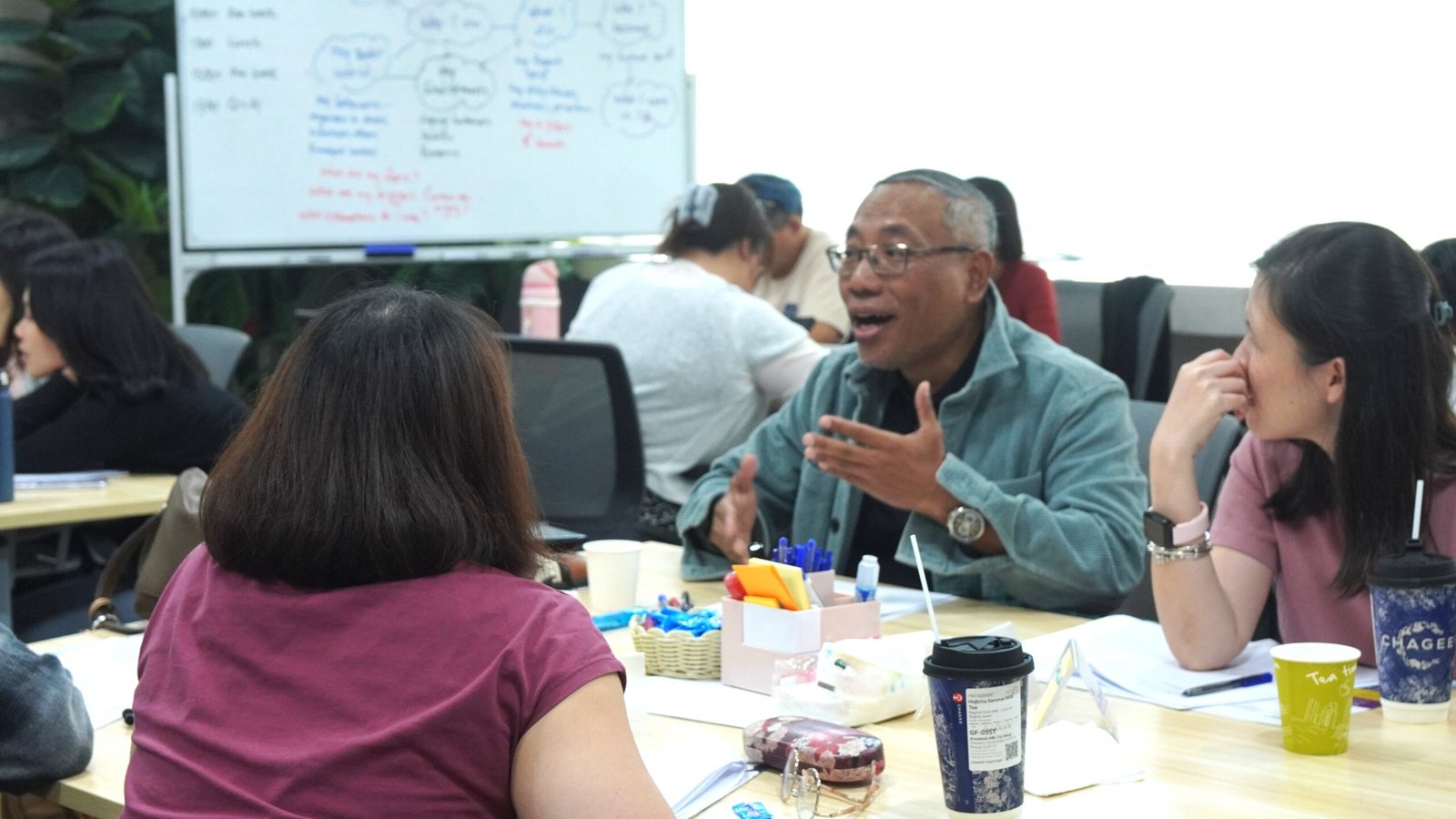 01. Understand the Culture
See What Employees Are Experiencing Beneath the Surface.
We help organisations identify the behaviours, norms and workplace conditions shaping trust, belonging and employee experience.
- Culture diagnostics
- Employee listening
- Leadership alignment
- Wellbeing needs assessment
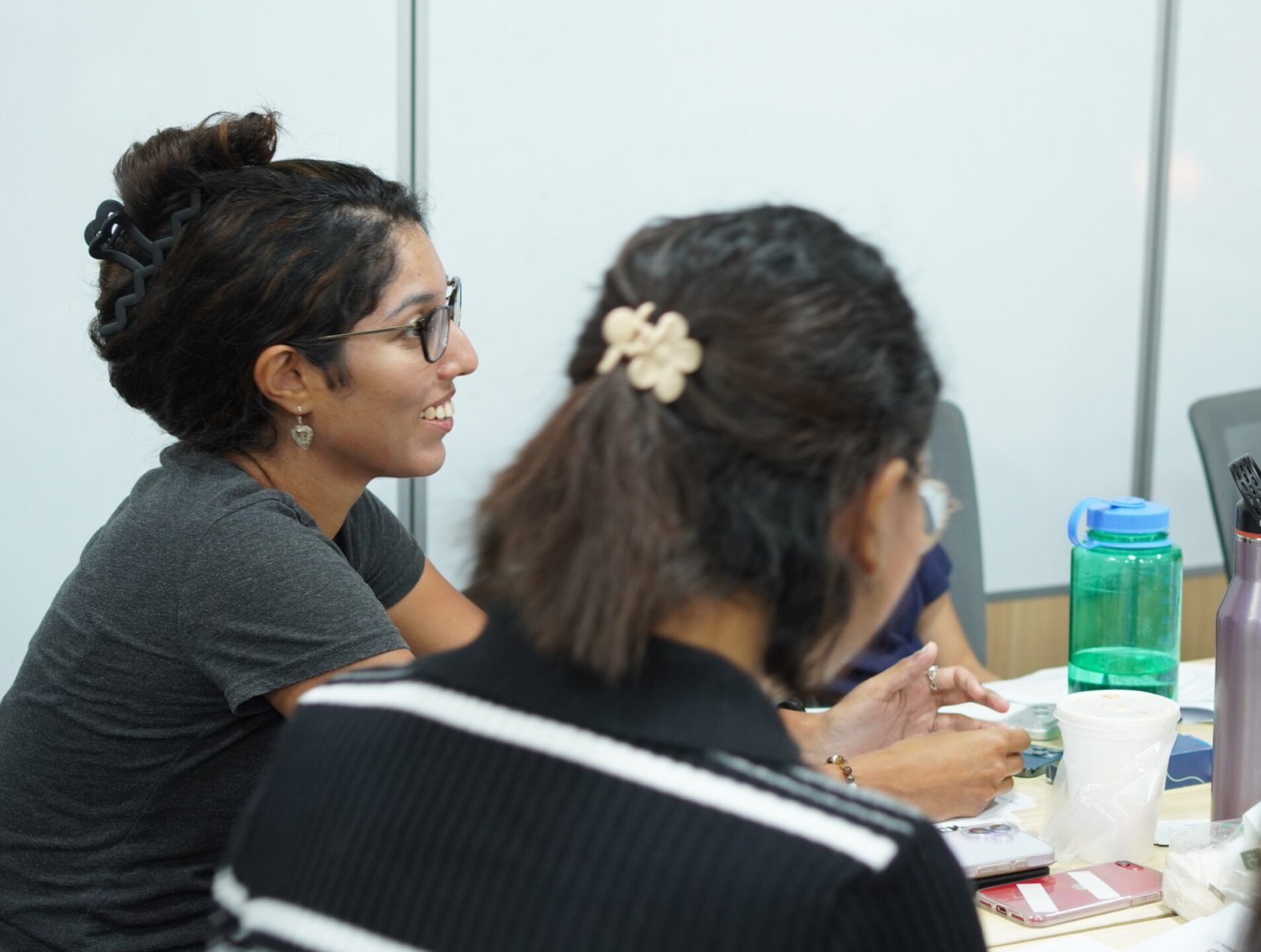
02. Build Human Capability
Equip People to Notice, Respond and Support Earlier.
We strengthen the confidence of managers, employees and peer supporters without blurring professional boundaries.
- Manager mental health capability
- Psychological First Aid
- Supportive conversations
- Peer support skills
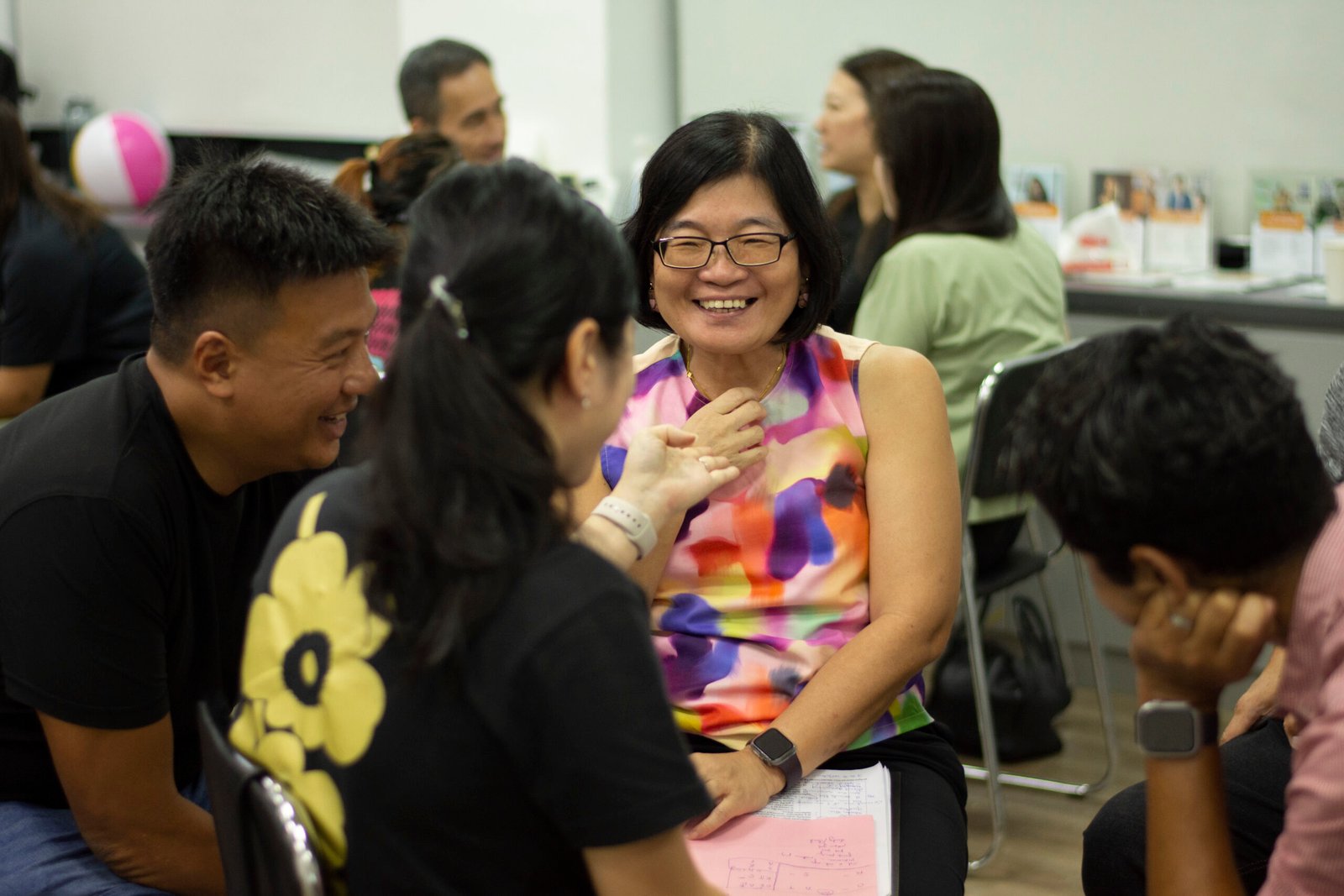
03. Embed Healthier Ways of Working
Move Beyond One-Off Activities Into Everyday Practice.
We help connect learning, leadership expectations, communication and support pathways into a more coherent organisational approach.
- Wellbeing strategy
- Psychological safety practices
- Support pathways
- Campaigns and reinforcement
When Workplace Health Improves, People Notice It in Everyday Work.
People speak up earlier.
Questions, concerns and signs of strain are less likely to remain hidden.
Managers respond with greater confidence.
Leaders know how to listen, support, set boundaries and refer appropriately.
Teams recover better under pressure.
Employees have stronger shared practices for coping, communicating and reconnecting.
Wellbeing efforts become more coherent.
Leadership, learning, support systems and employee communication reinforce one another.
Practical Learning for Healthier Workplaces.
Targeted learning that strengthens mental health literacy, resilience, communication and manager capability across the workplace.

Early Support
Psychological First Aid in the Workplace
Recognise distress, listen safely and connect colleagues with appropriate support.
 Culture
Building a Speak-Up Culture
Create team conditions where questions, concerns and constructive disagreement are welcomed.

Resilience
Building Resilience in Times of Change
Strengthen coping, adaptability and recovery during uncertainty and workplace pressure.
 Manager Capability
Supporting Employees Through Difficult Periods
Help managers initiate supportive conversations while maintaining appropriate role boundaries.
What Is Your Workplace Telling You?
Share the culture, wellbeing or employee experience challenges you are seeing. We will help you identify whether the right starting point is diagnosis, leadership capability, employee learning or a broader organisational strategy.
